Cool and Warm Colors: How to Create Harmony in Your Wardrobe

Cool and Warm Colors: How to Create Harmony in Your Wardrobe
Colors play a much bigger role in our wardrobes than we often realize. They influence not only how we look but also how we feel. Some colors make us appear energetic and outgoing, while others create calm and balance. By understanding the difference between cool and warm colors—and how to combine them—you can build a wardrobe that both flatters you and feels harmonious.
What Are Cool and Warm Colors?
A good place to start is the color wheel, where colors are typically divided into two groups:
- Warm colors: Red, orange, yellow, and their variations. They’re associated with energy, joy, and vibrancy.
- Cool colors: Blue, green, purple, and their related tones. They convey calmness, elegance, and balance.
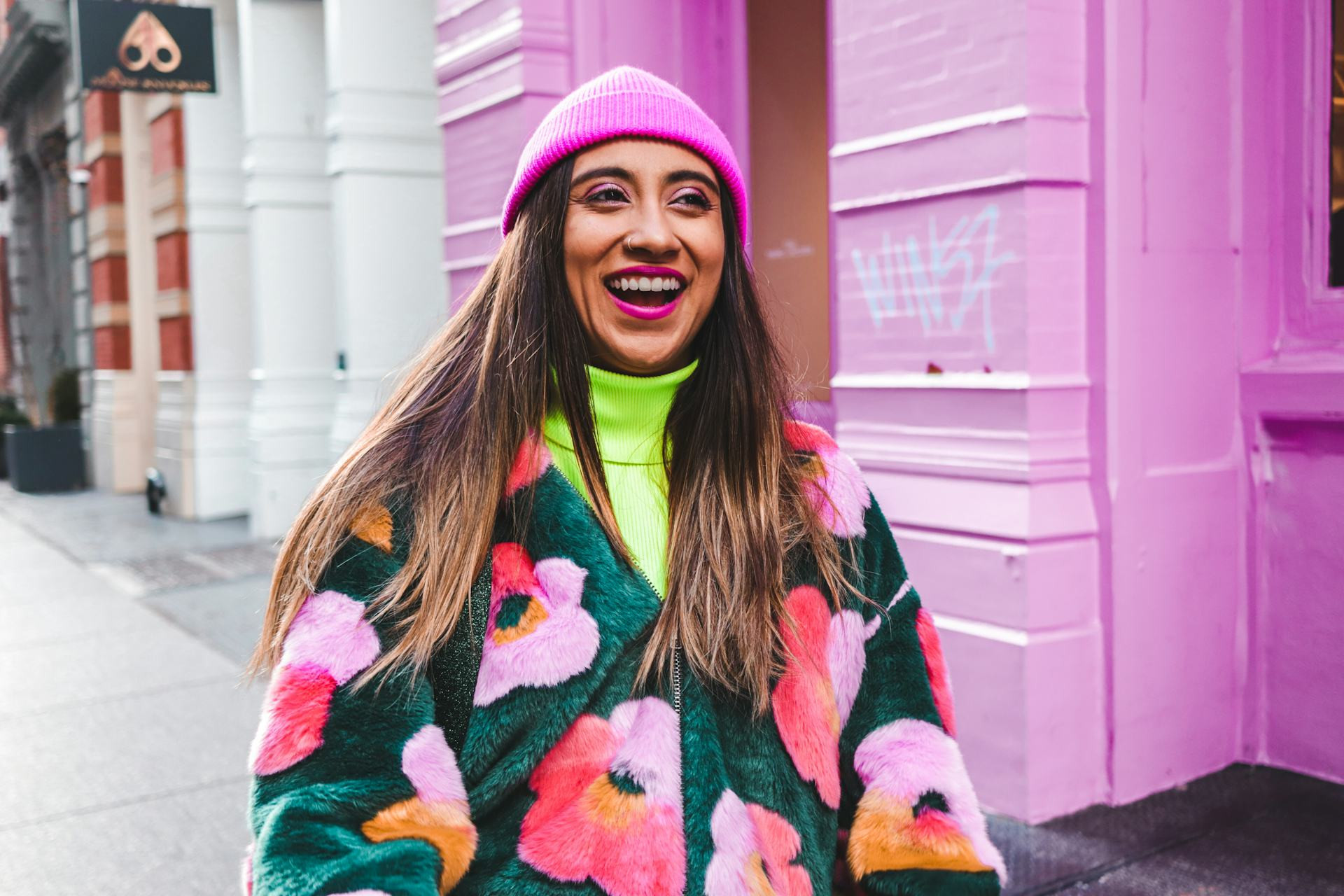
Warm colors tend to “advance” and draw attention, while cool colors “recede” and feel more subdued. This means you can use color intentionally to highlight or soften certain parts of your outfit.
Find the Colors That Flatter You Most
While everyone can wear both cool and warm colors, some shades will harmonize better with your skin tone, hair color, and eye color. A classic way to find your best palette is to determine whether your skin has a cool or warm undertone.
- Cool undertone: Your skin has a pink or bluish tint. Silver jewelry often looks best on you, and you shine in colors like navy, emerald green, and cherry red.
- Warm undertone: Your skin has a golden or olive hue. Gold jewelry enhances your glow, and you look radiant in shades like terracotta, mustard yellow, and olive green.
If you’re unsure, hold a piece of silver and gold fabric up to your face in natural light. The one that makes your skin look more vibrant usually reveals your undertone.
Create Balance in Your Outfit
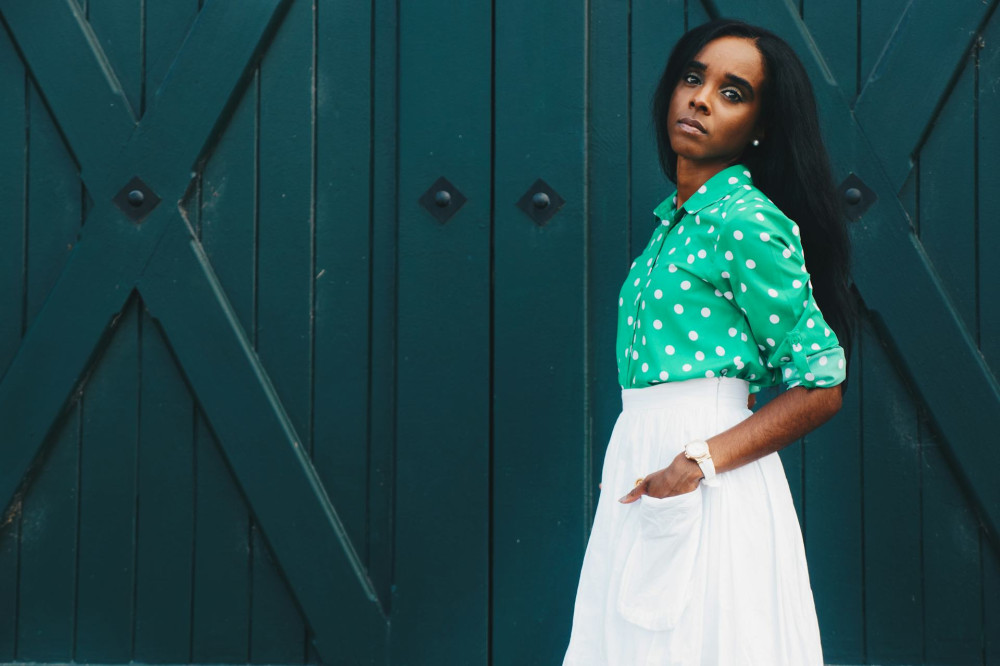
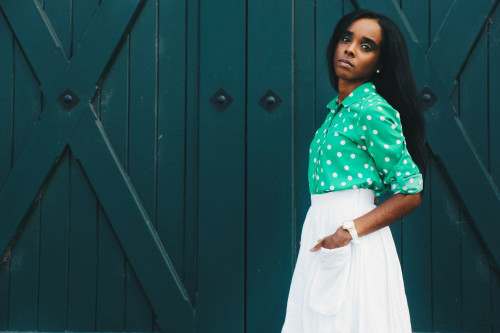
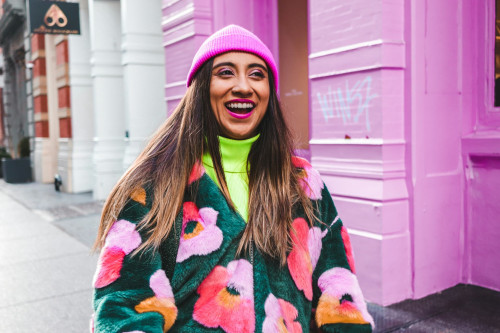
Once you understand the difference between cool and warm colors, you can start playing with contrast and harmony. An outfit made entirely of warm colors can feel intense, while one made only of cool tones might seem distant. The best approach is often to mix the two.
- Pair a warm color with a cool one for balance—like a rust-colored blouse with dark blue jeans.
- Use neutral shades such as white, gray, beige, or black to bridge stronger tones.
- Think about proportions: a pop of warm color (like a scarf or belt) can bring life to an otherwise cool outfit.
Use Color to Express Mood
Colors influence our emotions and can be used intentionally to reflect how you want to feel.
- For work: Cool tones like navy, gray, and sage green project calm and professionalism.
- For parties: Warm colors like red, coral, and gold create energy and attract attention.
- For relaxation: Soft neutrals like sand, cream, and light blue evoke a peaceful, laid-back vibe.
By considering the emotional effect of colors, you can use your wardrobe to shape both your own mood and the impression you make on others.
Læs også:

Build a Wardrobe with Color Harmony
A harmonious wardrobe isn’t about owning every color—it’s about choosing the right ones. Start with a core palette that complements your undertone, then add a few contrasting shades for variety.
- Choose 2–3 base colors you can mix and match easily.
- Add 2 accent colors—one warm and one cool—to bring life to your outfits.
- Use accessories like bags, shoes, and jewelry to experiment with color without overhauling your entire wardrobe.
Once you’ve found your personal color balance, putting together outfits that feel right becomes effortless.
Colors as Part of Your Personal Style
Working with cool and warm colors isn’t just about aesthetics—it’s also about identity. Colors can express who you are and how you want to be perceived. Some days you might want to project confidence and strength; other days, calm and simplicity. By understanding the language of color, you can use your wardrobe as a creative and authentic expression of your personality.
Læs også: