Women’s Culture in Transition – When Global Trends Meet Local Traditions
Women’s Culture in Transition – When Global Trends Meet Local Traditions
Women’s culture today is a dynamic and evolving landscape where global movements and local traditions constantly interact. From social media and fashion to work and family life, international ideas about equality, empowerment, and identity meet deeply rooted cultural values and community norms. The result is a complex and diverse reality in which women navigate between the modern and the traditional—creating new ways of defining womanhood in the process.
Global Movements Shaping the Conversation
Over the past few decades, global movements such as #MeToo, “Lean In,” and “Women in STEM” have brought women’s rights, representation, and opportunities to the forefront. Social media has amplified women’s voices, allowing them to share experiences and build solidarity across borders. Issues like pay equity, reproductive rights, and gender-based violence have become part of a global dialogue that transcends geography and culture.
Digital platforms have also opened new spaces for creativity and entrepreneurship. From small business owners running online shops to artists and activists using TikTok and Instagram to challenge stereotypes, women are shaping a more visible and multifaceted cultural presence than ever before.
Local Traditions and Cultural Roots
Yet global trends are always interpreted through local lenses. In the United States, women’s culture is deeply influenced by the country’s diversity—by race, class, religion, and region. The feminist movement in New York may look very different from women’s activism in rural Texas or among Native American communities. While many American women embrace global ideas of empowerment, they also draw on local traditions of resilience, faith, and community.
In other parts of the world, the balance between global and local can be even more delicate. In societies where religion and family play central roles, change often happens gradually. Women’s culture there may focus on finding harmony between respect for tradition and the pursuit of independence. This global-local dialogue reminds us that empowerment does not look the same everywhere—and that cultural context matters.
Læs også:

Fashion, Media, and Identity
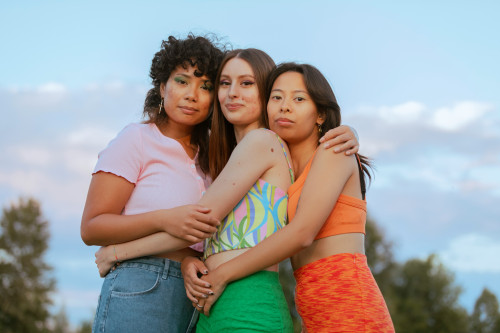
Fashion and popular culture are among the most visible arenas where global and local influences meet. International brands promote diversity and body positivity, while local designers reinterpret femininity through regional aesthetics, materials, and craftsmanship. The result is a vibrant conversation between the global and the personal—between the runway and the handmade, between denim and heritage textiles.
Media also plays a crucial role in shaping women’s identities. Magazines, podcasts, and online communities challenge outdated ideals of what a “real woman” should look like or how she should live. Instead, there is growing interest in authentic stories—about career paths, motherhood, aging, and self-discovery. American media, in particular, has become a space where women of different backgrounds can share their voices and redefine representation.
Work, Family, and Community in Transition
Globalization and technology have transformed women’s roles in the workforce. More women than ever are pursuing higher education, starting businesses, and taking leadership positions. Yet the expectation to “do it all”—to succeed professionally while managing family responsibilities—remains strong. This tension has sparked new conversations about balance, mental health, and the value of care work.
Across the U.S., women are building networks and initiatives that blend global inspiration with local action. From community-based mentorship programs to sustainable fashion collectives, these efforts reflect a desire to create change from the ground up. They show how women’s culture can be both globally connected and deeply rooted in everyday life.
A New Understanding of Women’s Culture
Today, women’s culture is not defined solely by gender but by identity, community, and agency. It is both global and local, digital and physical, traditional and innovative. When global trends meet local traditions, new forms of womanhood emerge—not as a single model, but as a spectrum of possibilities.
It is in this intersection—between what we inherit and what we create—that women’s culture continues to evolve. And perhaps this is where its greatest strength lies: in the ability to transform without forgetting, and to build bridges between worlds that once seemed far apart.
Læs også: