Jewelry with Meaning – Symbols of Love, Status, and Tradition

Jewelry with Meaning – Symbols of Love, Status, and Tradition
Jewelry has accompanied humanity through every era — as decoration, as a sign of status, and as a bearer of deep symbolism. From the earliest beads made of shells and stones to today’s designs in gold, silver, and gemstones, jewelry has always carried meaning that goes far beyond beauty. It tells stories of love, faith, power, and belonging — connecting past and present in a way few other objects can.
Jewelry as the Language of Love
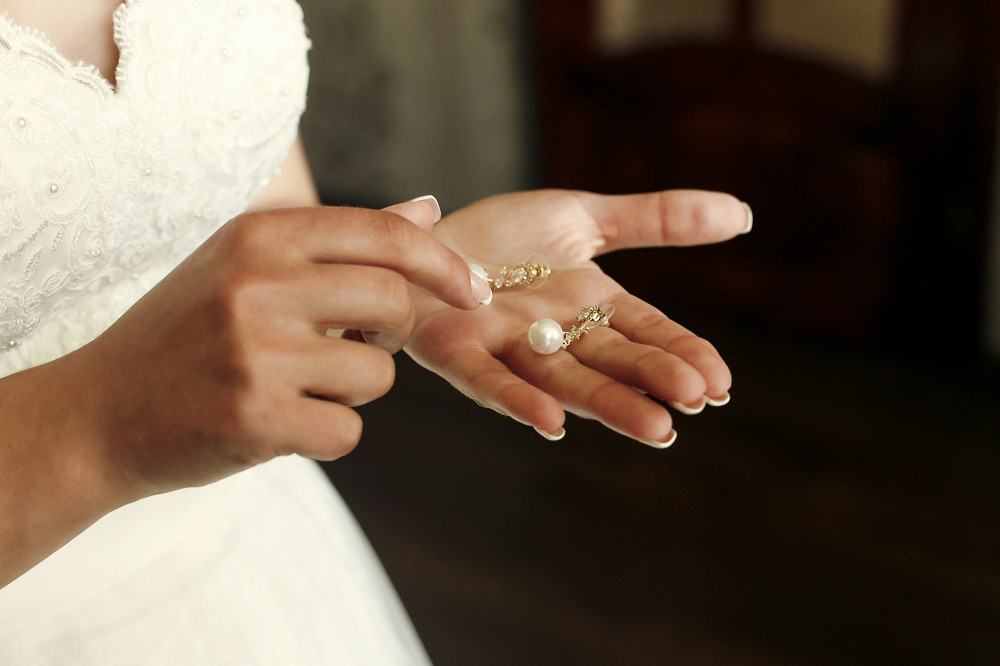
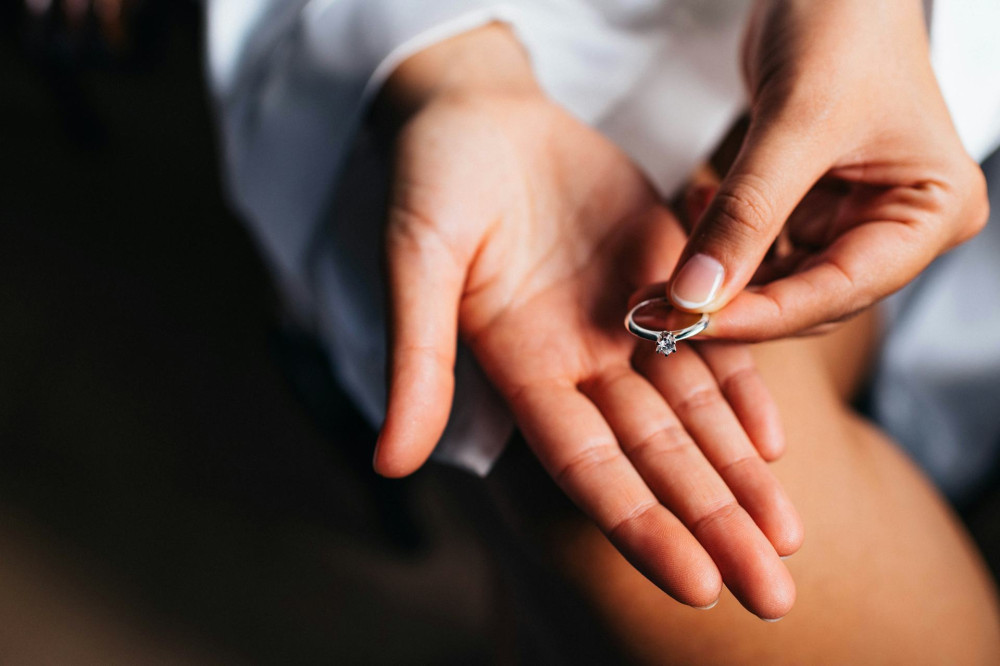
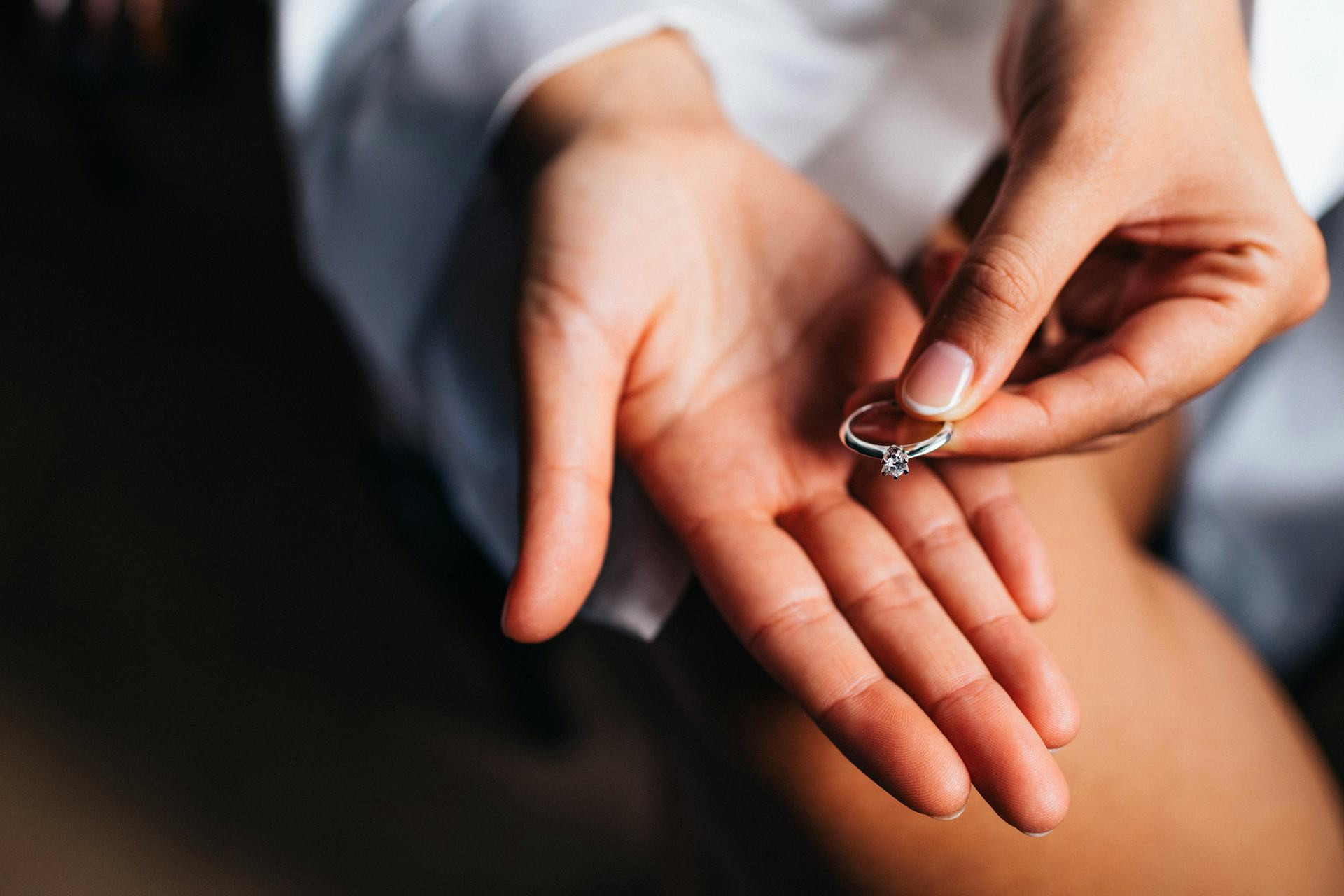
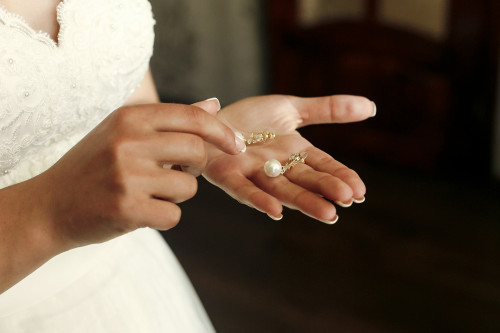
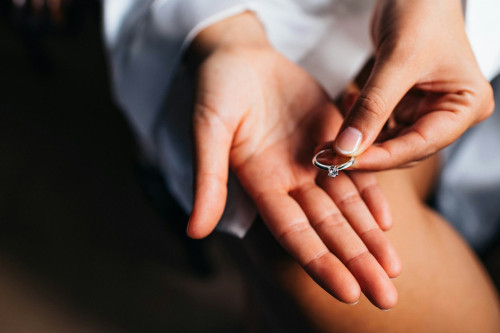
Few gifts are as personal as a piece of jewelry. A ring, bracelet, or pendant often becomes a symbol of affection and connection. Engagement and wedding rings are the most familiar examples — representing promises of loyalty and unity, their circular shape symbolizing eternity.
But jewelry also expresses love outside of marriage. A heart-shaped pendant, a bracelet engraved with initials, or a necklace given to mark a special moment can hold deep emotional value. These pieces become tangible reminders of relationships and memories we want to keep close.
Status and Identity – Jewelry as a Marker
Throughout history, jewelry has been a visible sign of wealth and power. Ancient Egyptian pharaohs wore heavy gold ornaments to display divine authority, while in medieval Europe, gemstones and gilded pieces were reserved for the elite. Ordinary people had to make do with simpler materials like bronze or glass.
Even today, jewelry continues to signal identity and style. A sleek silver bracelet might suggest modern minimalism, while a vintage brooch can express nostalgia and individuality. Jewelry tells the world who we are — or who we aspire to be — and helps us express both uniqueness and belonging.
Læs også:

Traditions and Symbols Across Cultures
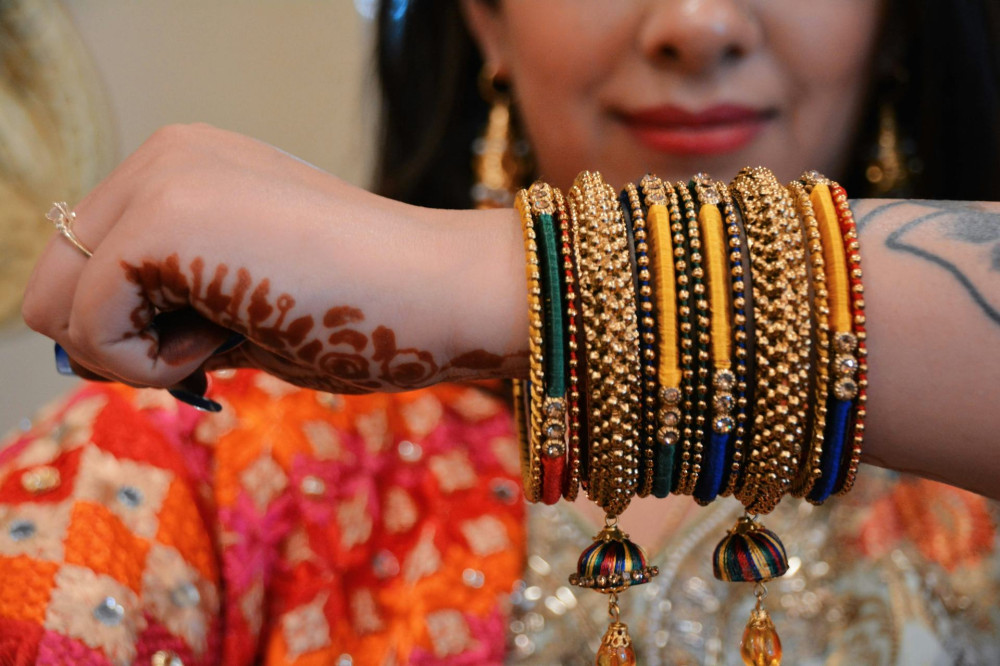
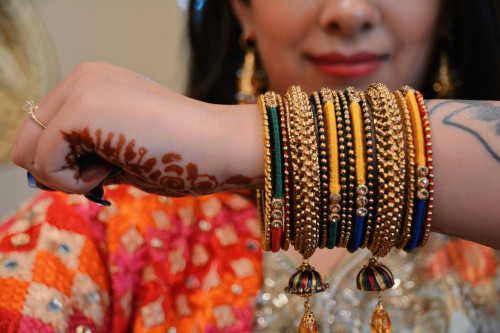
Across cultures, jewelry plays a central role in life’s major milestones. In India, gold bangles and necklaces are part of a bride’s dowry, while in many African communities, colorful beads mark age, status, and family ties. In the United States, jewelry often accompanies key life events — from birthstone necklaces given at birthdays to graduation rings and heirloom pieces passed down through generations.
Religious symbols are also worn as jewelry: crosses, Stars of David, and other emblems serve as expressions of faith and as protective charms. In this way, jewelry can be both spiritual and cultural, linking the wearer to something greater than themselves.
Jewelry with Personal Meaning
Today, many people choose jewelry that tells a personal story. It might be a grandmother’s ring, a custom design featuring a meaningful gemstone, or a pendant engraved with a loved one’s initials. The personal connection makes the piece unique — often more valuable than its price tag suggests.
Birthstones, engravings, and handcrafted details allow people to create jewelry that reflects their own history. This blend of beauty and emotion is what makes jewelry so special: it is both an object of art and a vessel of meaning.
Jewelry as Legacy and Story
A piece of jewelry can outlast generations, becoming part of a family’s story. A ring passed down through time or a necklace given to mark a milestone becomes a symbol of continuity and love that transcends years. When we wear an heirloom, we carry with us the memories of those who came before.
In this way, jewelry is far more than adornment. It is a story told in metal and stone — about love, status, tradition, and identity. It reminds us that even the smallest objects can hold the greatest meanings.
Læs også: