The History of Pearls: A Symbol of Elegance and Femininity Through the Ages

The History of Pearls: A Symbol of Elegance and Femininity Through the Ages
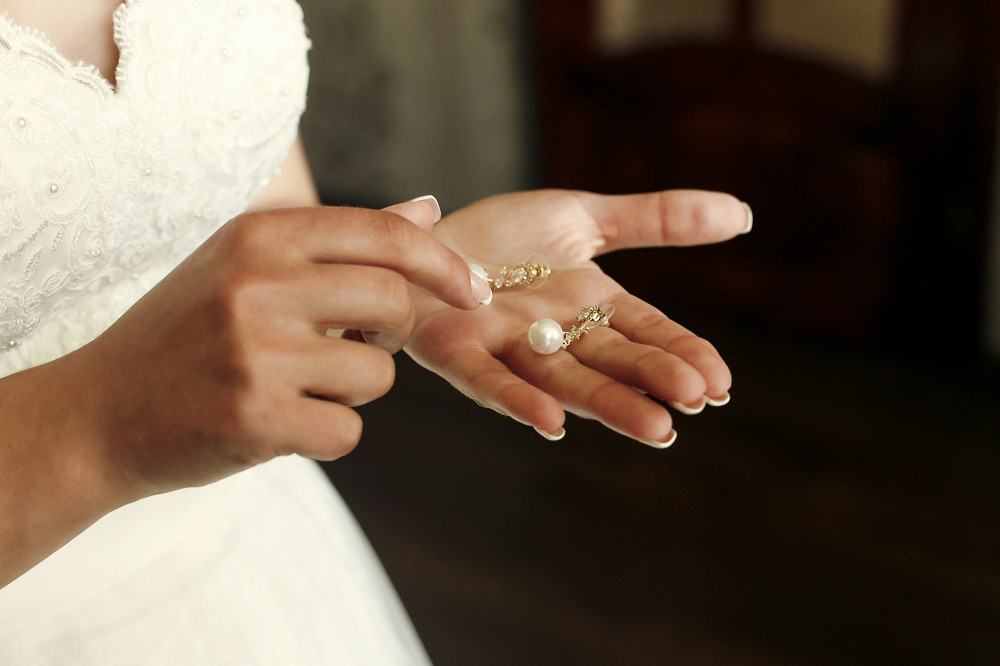
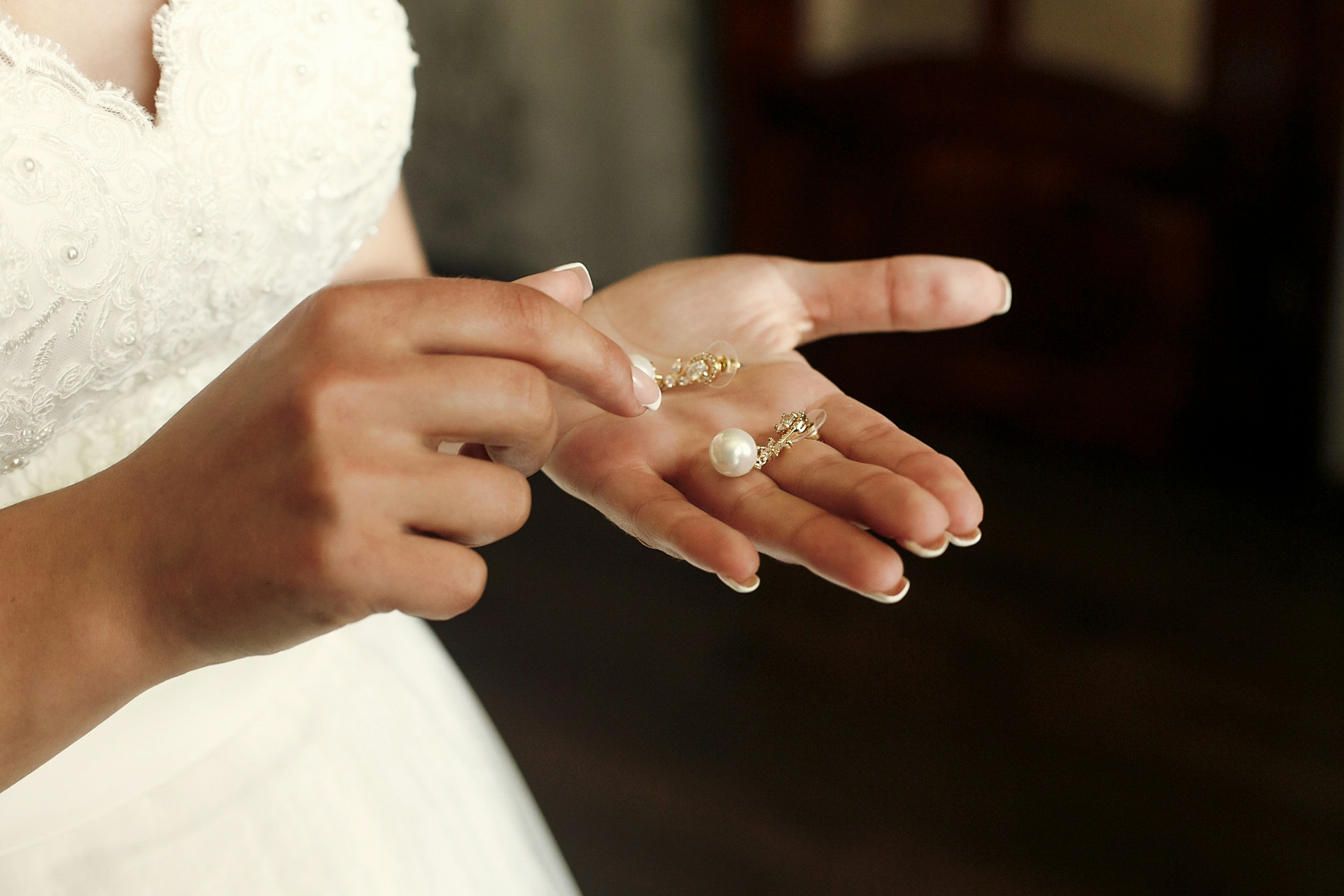
For thousands of years, pearls have been among the most cherished and timeless gems in the world. From ancient royalty to modern fashion icons, these luminous orbs have symbolized beauty, sophistication, and grace. Yet the story of pearls is more than a tale of adornment—it is a reflection of culture, craftsmanship, and the enduring expression of femininity through the ages.
From Nature’s Miracle to Human Innovation
The earliest pearls were gifts of nature, formed when a tiny particle found its way into an oyster or mussel, prompting the creature to coat it with layers of nacre. This natural process made pearls exceedingly rare and precious. In ancient Egypt, Persia, and China, they were seen as divine treasures, reserved for the elite and often buried with rulers as symbols of purity and immortality.
In medieval Europe, pearls became emblems of virtue and chastity, adorning the garments and crowns of noblewomen and religious figures. They were not merely decorative but carried moral and social significance, representing both wealth and moral integrity.
The world of jewelry changed dramatically in the early 20th century when Japanese entrepreneur Kokichi Mikimoto perfected the technique of cultivating pearls. His innovation made it possible to produce pearls with the same beauty as natural ones but at a fraction of the cost. This breakthrough democratized elegance, allowing women from all walks of life to enjoy what had once been a luxury reserved for the few.
A Timeless Symbol of Femininity
Throughout history, pearls have been closely associated with femininity. Their soft luster and smooth, rounded form evoke qualities of grace, maturity, and refinement. In the 20th century, pearls became a staple of women’s fashion—immortalized by figures such as Coco Chanel, who layered strands of pearls as part of her signature look, and Audrey Hepburn, whose pearl necklace in Breakfast at Tiffany’s became an enduring image of classic style.
In American culture, pearls have long been a favorite gift for milestones—weddings, graduations, and anniversaries—symbolizing love, wisdom, and new beginnings. They often become heirlooms, passed down through generations, carrying with them stories of family, tradition, and affection.
Læs også:


Pearls in Modern Fashion
While pearls are often associated with timeless elegance, they have also found a place in contemporary fashion. Designers today experiment with irregular baroque shapes, mix pearls with leather or metals, and create minimalist or gender-neutral designs that challenge traditional notions of jewelry.
In recent years, pearls have even become popular among men, embraced by musicians, actors, and style influencers who see them as a statement of individuality and confidence. This evolution shows how pearls have transcended their traditional symbolism, becoming a versatile expression of personal style and identity.
From the Depths of the Sea to the Heart of Culture
The journey of pearls—from the mysterious depths of the ocean to the jewelry boxes of people around the world—is a story of nature’s artistry and human ingenuity. They have endured changing fashions and technologies, yet their quiet beauty remains unmatched.
Whether worn as a simple strand, a delicate bracelet, or a bold modern piece, pearls continue to connect past and present. They remind us that true elegance lies not in extravagance, but in simplicity, authenticity, and the timeless allure of something shaped by both nature and history.
Læs også: