New Traditions, Old Memories – Honoring the Past with Love in the Present

New Traditions, Old Memories – Honoring the Past with Love in the Present
When we lose someone we love, the world changes. Everyday life continues, but it feels different—like time is both standing still and moving forward. In that space, traditions can take on new meaning. They become more than habits or rituals; they become ways to honor the past while learning to live fully in the present. This article explores how we can create new traditions that hold both grief and love—and how memories can become a living part of our lives rather than something we leave behind.
When Traditions Take New Shape
Traditions are often tied to people. A favorite recipe, a song that always played during the holidays, or a way of decorating the house that felt uniquely theirs. When that person is gone, those same traditions can bring both comfort and pain. That’s natural.
Instead of trying to recreate everything exactly as it was, it can help to let traditions evolve. You might keep some elements and change others. Maybe you light a candle before dinner in their memory, or share a story about them when the family gathers. In doing so, the tradition becomes a living memory—not a repetition of what’s lost, but a loving continuation.
Small Rituals, Deep Meaning
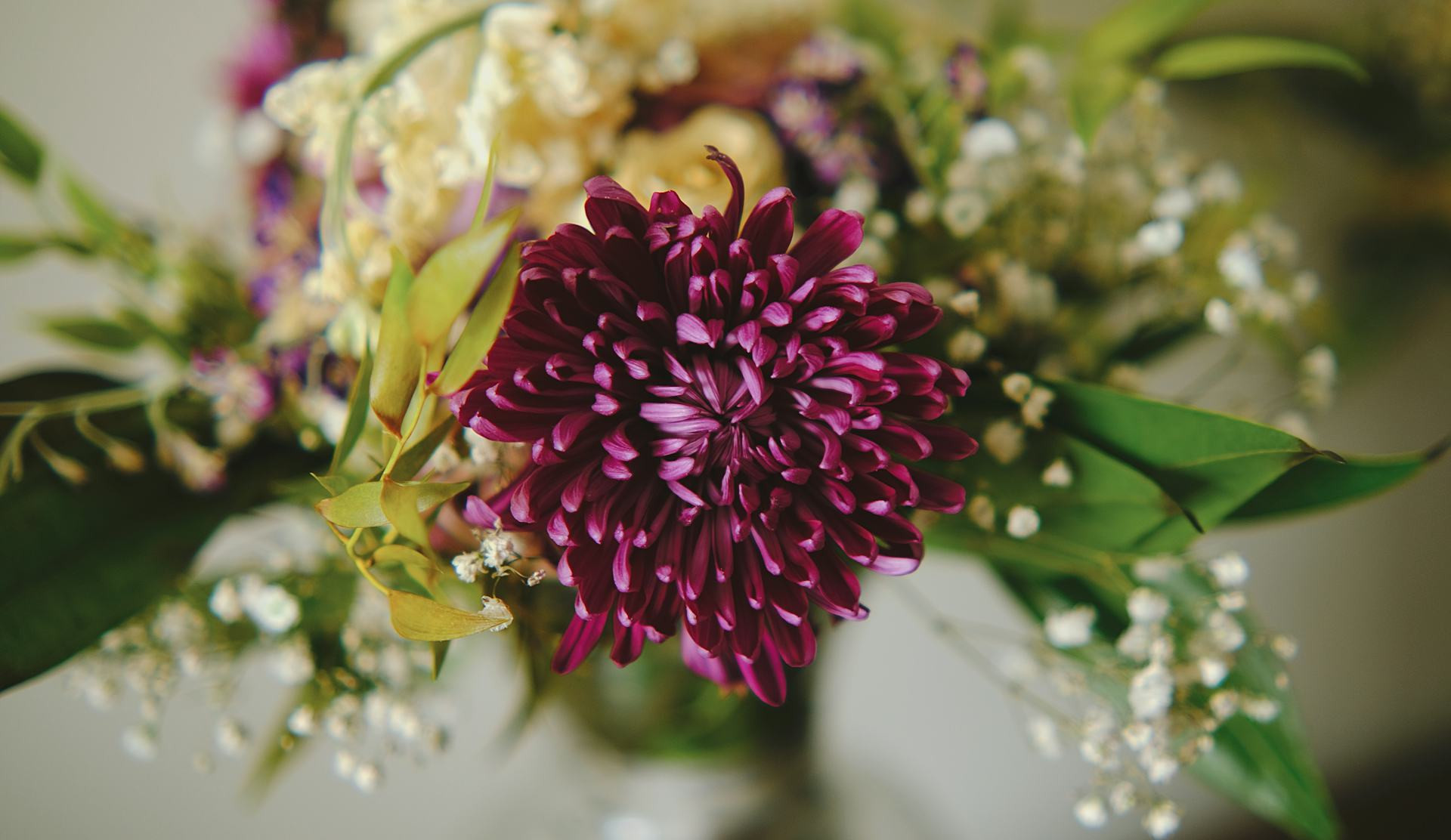
Rituals don’t have to be grand to be meaningful. It might be a walk on a certain day, a letter you write each year, or a flower you place somewhere special. What matters most is that the act feels right to you.
Some people create a small memorial space at home—a photo, a candle, or an object that carries a story. Others find comfort in nature, where the changing seasons mirror life’s own cycles. However it takes shape, a ritual can give structure to grief and create a space where love continues to live.
The Strength of Community
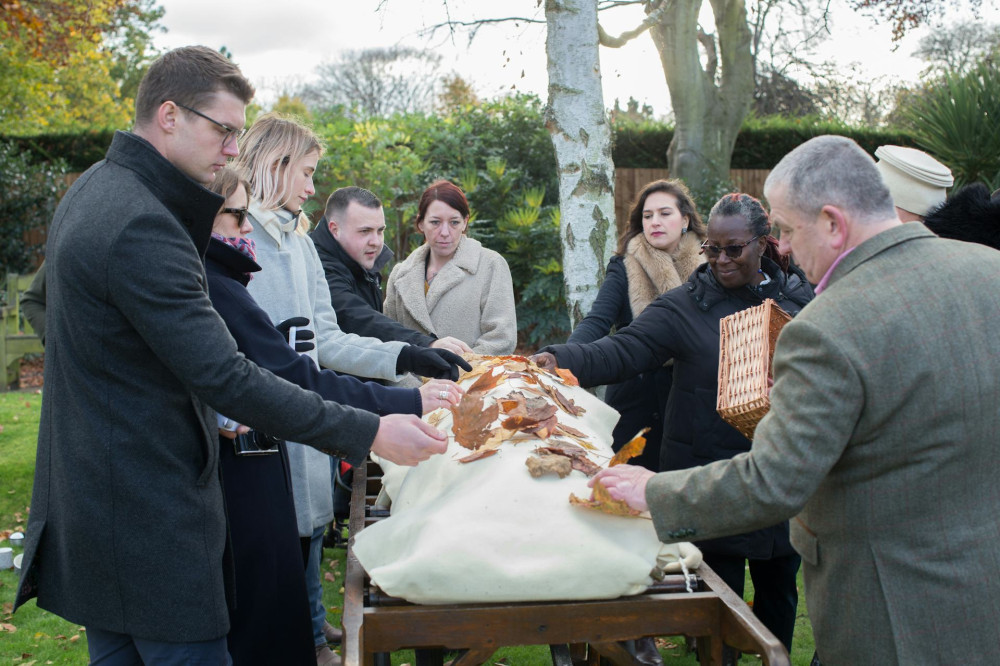
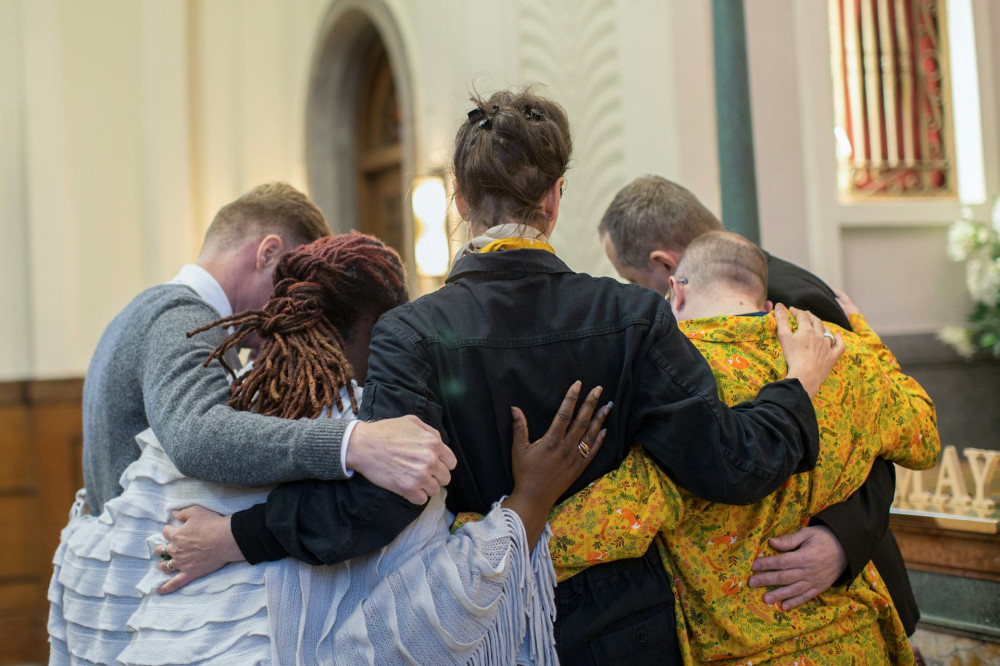
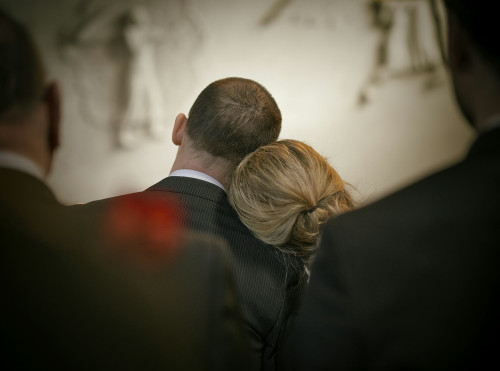
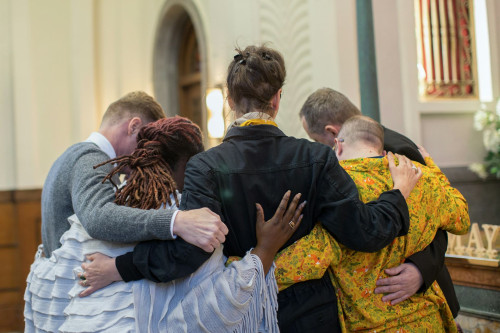
Grief can feel isolating, but it often becomes lighter when shared. Gathering with others to remember can transform sorrow into connection. It might be an annual get-together where family and friends share stories, photos, or music that reminds them of the person who’s gone.
For many families, these gatherings become new traditions themselves—a time to cry, laugh, and feel the bond that still exists. It’s not a replacement for what was, but a way to keep the connection alive.
Making Space for Memories in Everyday Life
Honoring the past isn’t only about special days. It can also be about small, everyday moments when you feel the absence and choose to acknowledge it. Maybe you cook a dish they loved, play a song that reminds you of them, or simply pause to think of them during your day. These moments don’t have to be sad—they can be quiet celebrations of the love that still lives within you.
When we allow ourselves to remember without fear of the pain, the past becomes part of our present. It’s no longer something to escape, but something to build upon.
New Traditions as Acts of Love
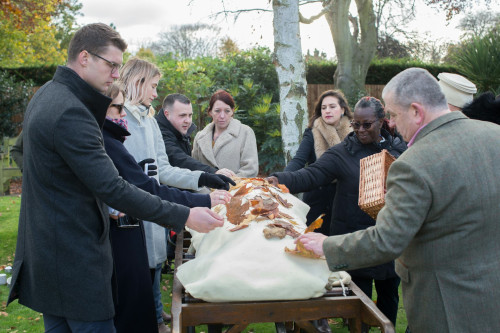
Creating new traditions doesn’t mean forgetting. Quite the opposite—it’s a way to show that love endures, even as life changes. You might volunteer for a cause that mattered to them, plant a tree in their honor, or write them a letter each year on their birthday.
These gestures are not only for the one who’s gone, but also for yourself. They offer a way to express love, gratitude, and continued connection. In this way, grief becomes not an ending, but part of life’s ongoing story.
Læs også:
Living with Love in the Present
To honor the past with love in the present is to find balance—to remember without being trapped in memory, and to move forward without guilt. Memories are not a burden; they are gifts that can give us strength when life feels fragile.
When we create new traditions, we open the door for love to take new forms. We learn that even though people may leave, the connection remains. It lives in our actions, in our words, and in those quiet moments when we feel the heartbeat of the past gently echoing in the rhythm of today.
Læs også: