Support Without Guilt: How to Share Grief With the Ones You Love

Support Without Guilt: How to Share Grief With the Ones You Love
When loss strikes, grief can feel like a weight too heavy to share. Many people hesitate to open up, afraid of burdening others or of being misunderstood. Yet connection is one of the most powerful ways to heal. Sharing your grief with those you love isn’t about making others sad—it’s about allowing yourself to be supported without guilt. Here’s how you can open up in ways that strengthen both you and your relationships.
When Guilt Gets in the Way
It’s common to feel that you “should” be stronger or that you don’t want to bring others down. Many of us, especially those used to caring for others, struggle to accept care in return. But guilt can become a wall that keeps you from the comfort you need.
Sharing your grief doesn’t mean you have to tell everything at once. Sometimes it’s enough to say, “I’m having a hard day,” or “I just need you to listen.” Most people want to help—they just don’t always know how. By naming what you need, you make it easier for them to show up for you.
Læs også:




Grief as a Shared Experience
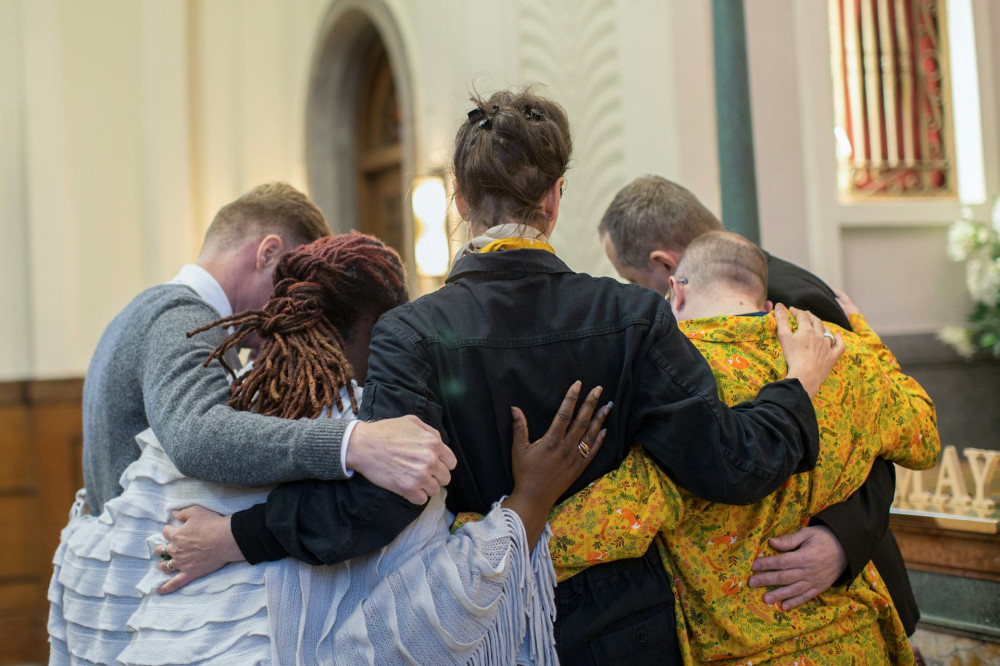
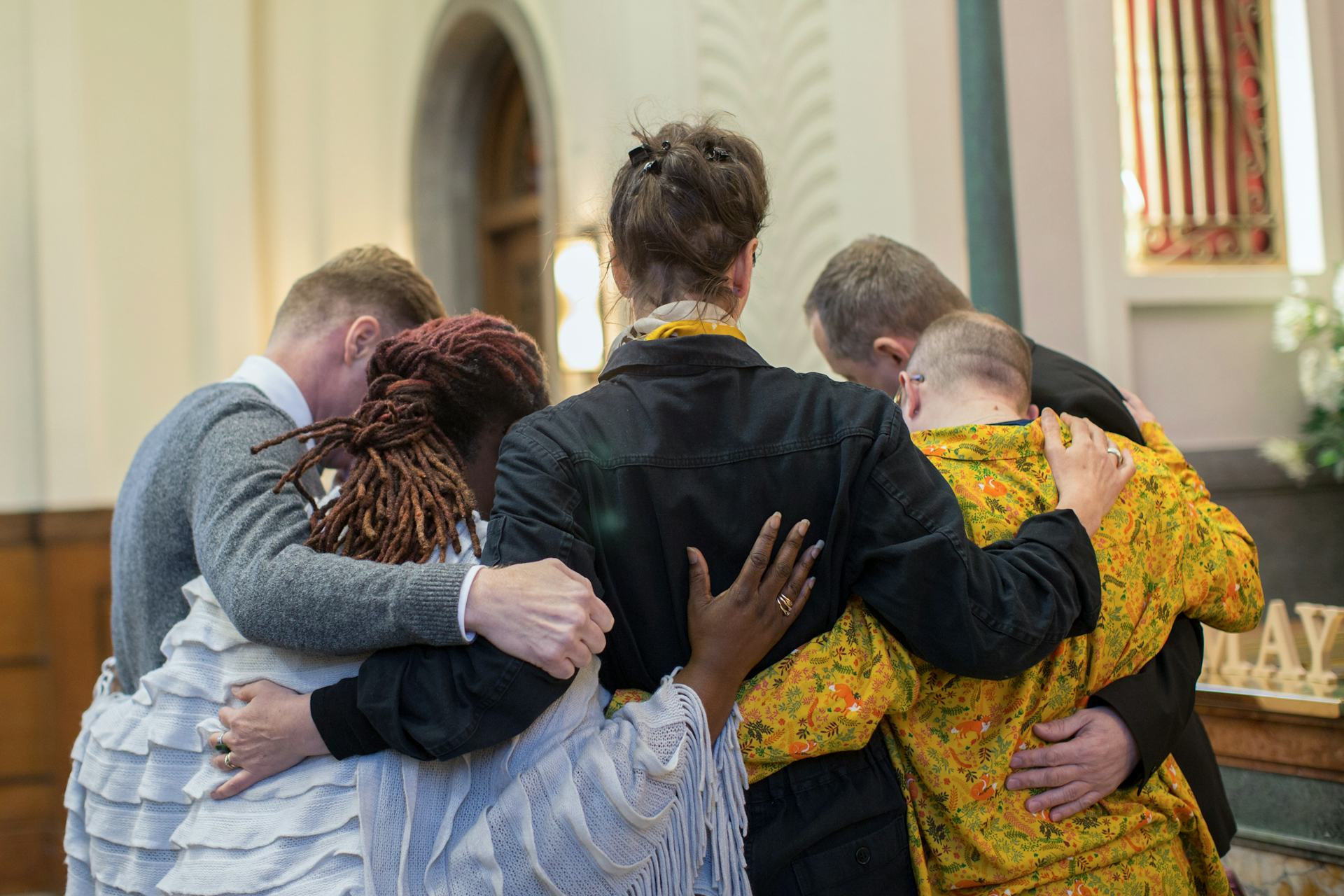
Grief isn’t only an individual journey—it ripples through families, friendships, and communities. When you open up, you also give others permission to share their feelings. They may be grieving the same loss, or your openness may remind them of their own experiences. Either way, it can deepen understanding and strengthen your bond.
Try to see the conversation as a shared space where there’s room for both tears and silence. Sometimes just sitting together without words is enough. Other times, remembering, laughing, or telling stories about the person you’ve lost can bring comfort. Shared memories help keep the connection alive—to the one who’s gone and to each other.
Practical Ways to Share Your Grief
There’s no single right way to grieve, but there are many ways to share it. Here are a few ideas to help you begin:
- Create a quiet moment together – light a candle, listen to music, or take a walk while talking about what’s on your mind.
- Write it down – letters, texts, or journal entries can sometimes express what’s hard to say out loud.
- Start small rituals – plant a tree, cook a favorite meal, or visit a meaningful place.
- Seek community – grief support groups, faith communities, or online spaces can connect you with others who understand.
The key is to choose what feels natural to you. Grief is personal, but it becomes lighter when it’s shared.
When You Reach the Other Side
Sharing grief isn’t only about receiving support—it can also be a gift to those who care about you. When you allow yourself to be vulnerable, you give others permission to do the same. That honesty and closeness often last long after the sharpest pain has eased.
Over time, grief changes shape. It doesn’t disappear, but it becomes part of who you are—and part of the relationships that carried you through. Having shared it means you don’t carry the memories alone; they’re woven into a shared story of love and resilience.
Accepting Support Without Guilt
It takes courage to accept help. But remember: support isn’t a burden to those who love you—it’s a way for them to express their care. When you let others be there for you, you give them something meaningful to do in the face of helplessness.
Grief isn’t something to “get over.” It’s something to live with, and it becomes gentler when you reach out—without guilt, without apology, and with trust that love can hold even the heaviest sorrow.
Læs også: