Eco-Friendly Cooking on Busy Days – Small Steps That Make a Difference

Eco-Friendly Cooking on Busy Days – Small Steps That Make a Difference
When life gets hectic, it can feel impossible to think about sustainability while trying to get dinner on the table. But eco-friendly cooking doesn’t have to be complicated or time-consuming. With a few small changes, you can save time, money, and energy—without sacrificing flavor or nutrition. Here’s how you can make a difference, even on your busiest days.
Plan Ahead to Make Greener Choices
One of the biggest challenges in a busy week is avoiding last-minute takeout and food waste. A little planning can help you choose meals that are both quick and environmentally friendly.
- Create a meal plan for three or four days at a time so you can use the same ingredients in multiple dishes.
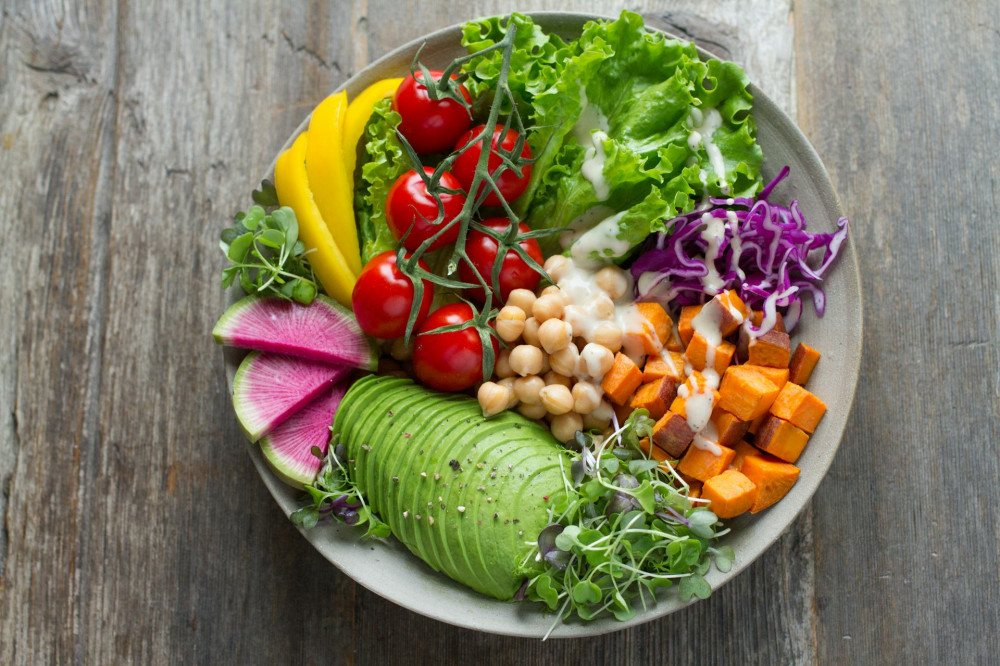
- Start with vegetables—make them the centerpiece of your meal and add smaller portions of meat or fish.
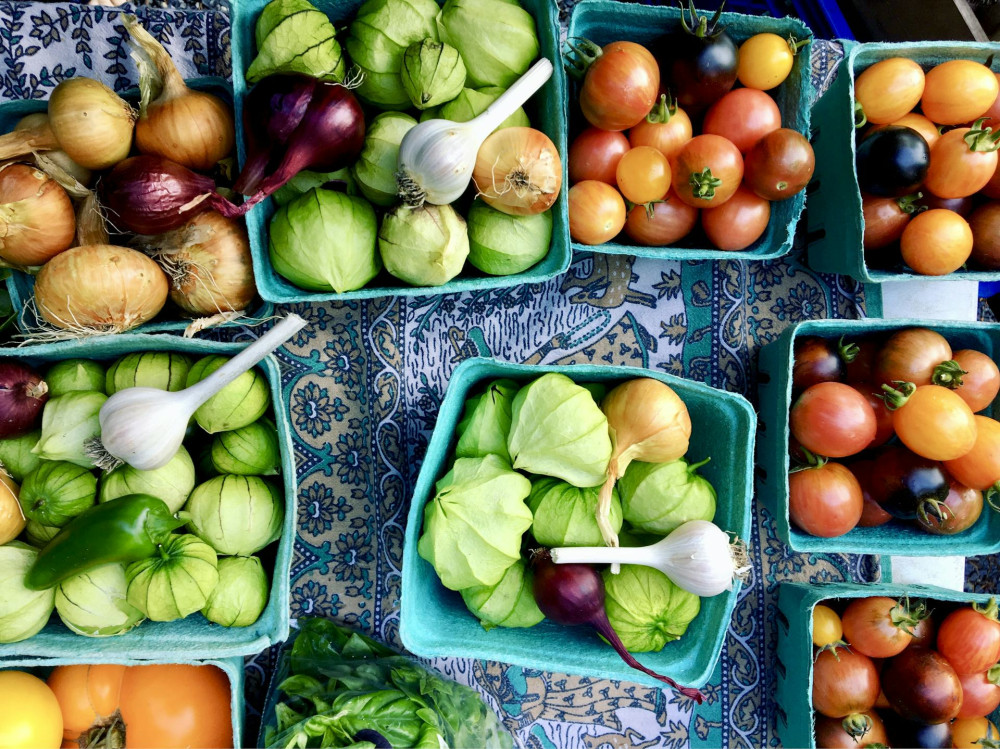
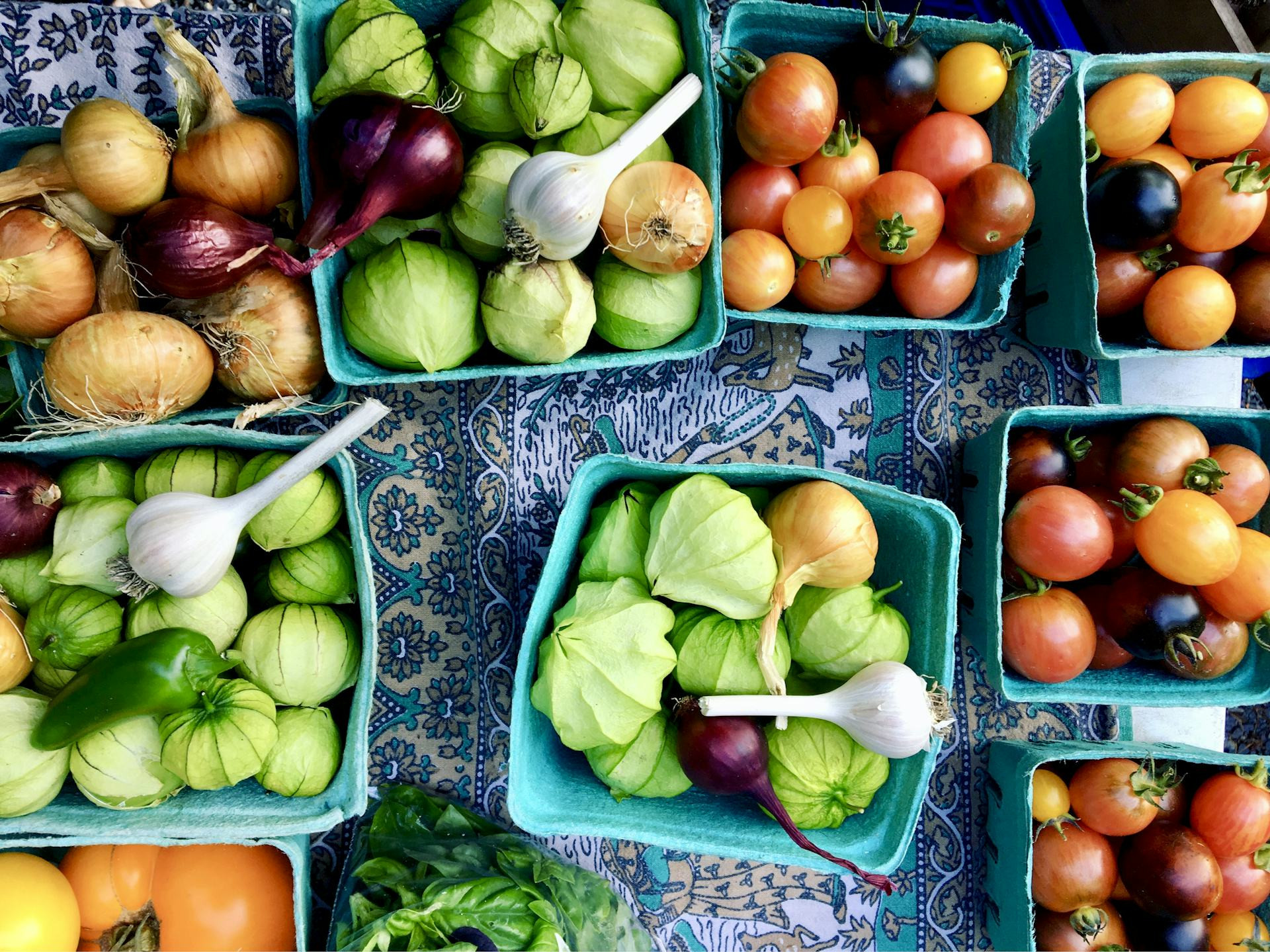
- Shop seasonally and locally whenever possible. Produce grown closer to home often has a smaller carbon footprint and tastes fresher too.
Planning ahead also means fewer stressful evenings and less temptation to reach for less sustainable convenience foods.
Læs også:



Cut Back on Meat—Without Missing It
Meat, especially beef and lamb, has one of the highest environmental impacts in our diets. But you don’t have to give it up completely to make a difference. Small adjustments can go a long way.
- Swap half the meat in dishes like tacos, chili, or pasta sauce with beans, lentils, or chopped vegetables.
- Try plant-based proteins—many options cook quickly and work well in your favorite recipes.
- Designate one meatless day each week, like “Meatless Monday” or “Veggie Friday.”
Experimenting with spices, herbs, and textures can make plant-forward meals just as satisfying as traditional ones.
Use Energy Wisely in the Kitchen
Sustainable cooking isn’t only about what you eat—it’s also about how you cook. A few simple habits can help you reduce energy use.
- Keep lids on pots to cook food faster and save energy.
- Boil water in an electric kettle instead of on the stove.
- Take advantage of residual heat—turn off the oven a few minutes early or bake multiple dishes at once.
- Cook larger batches so you have leftovers for another day, saving both time and electricity.
If you’re upgrading appliances, look for ENERGY STAR®-certified models or consider an induction cooktop or air fryer, which are more energy-efficient than traditional ovens.
Leftovers Are a Hidden Treasure
In the U.S., a significant portion of food ends up in the trash each year. By getting creative with leftovers, you can reduce waste and stretch your grocery budget.
- Make “clean-out-the-fridge” meals like stir-fries, soups, or grain bowls.
- Freeze leftovers in single portions for quick lunches or dinners.
- Use vegetable scraps to make homemade broth or add them to smoothies and sauces.
Try setting aside one night a week as a “leftover night.” It keeps your fridge tidy and your meals interesting.
Make Green Choices Easy
When time is short, convenience matters. Stock your kitchen with quick, sustainable options so the eco-friendly choice is also the easy one.
- Frozen vegetables that can go straight into a pan or pot.
- Canned beans and lentils for instant protein.
- Whole grains like quinoa, couscous, or brown rice that cook in minutes.
- Homemade soups or veggie patties stored in the freezer for busy nights.
The more ready-to-go ingredients you have, the easier it becomes to stick with your green habits.
Small Steps, Big Impact
Eco-friendly cooking isn’t about perfection—it’s about making mindful choices. Every time you choose plants over meat, use up leftovers, or save energy in the kitchen, you’re contributing to a more sustainable lifestyle.
Start with one small change at a time, and remember: even the simplest steps can make a meaningful difference for the planet—and for your everyday life.
Læs også: