Portion Sizes and Fullness – How to Put the Dietary Guidelines into Practice in Your Everyday Life

Portion Sizes and Fullness – How to Put the Dietary Guidelines into Practice in Your Everyday Life
The Dietary Guidelines for Americans provide a strong foundation for healthy eating, but many people find it challenging to apply them in daily life. How much is a reasonable portion? And how do you know when you’ve had enough—or too much? Here’s a practical guide to using portion sizes and fullness cues to eat well without counting every calorie.
Why Portion Sizes Matter
Portion sizes aren’t just about weight management—they’re about balance. In a world of oversized plates, restaurant meals, and “value” portions, it’s easy to eat more than your body needs. Being mindful of how much you serve yourself helps you tune in to your body’s hunger and fullness signals and avoid eating out of habit or distraction.
The goal isn’t to eat less, but to eat the right amounts of the right foods for your body and lifestyle.
Use the Plate Method as a Simple Guide
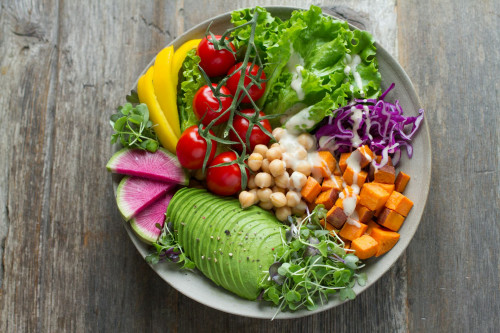
A straightforward way to visualize balanced portions is the MyPlate method, recommended by the U.S. Department of Agriculture (USDA). It helps you build meals that are satisfying and nutritious:
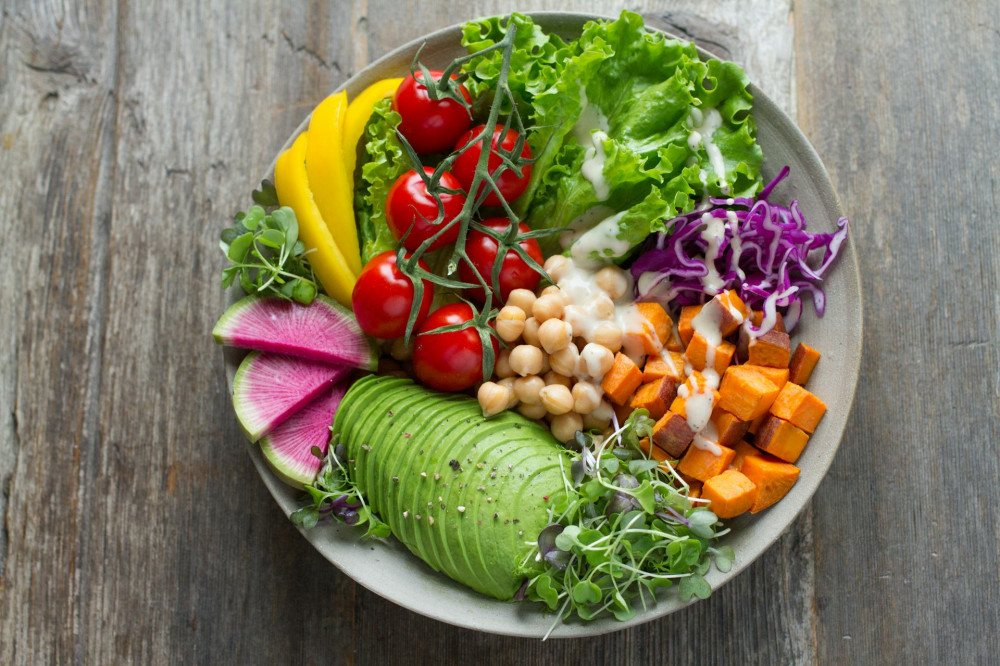
- Half your plate: fruits and vegetables—fresh, frozen, or cooked. They add volume, fiber, and essential vitamins.
- One quarter: whole grains such as brown rice, whole-wheat pasta, or quinoa.
- One quarter: protein foods like fish, chicken, beans, lentils, or eggs.
You can adjust this balance depending on your activity level. If you’re very active, you may need a bit more from the grain group; on a less active day, you might focus more on vegetables.
Use Your Hand as a Portion Tool
You don’t need a food scale to estimate portions—your hand is a built-in measuring guide that adjusts naturally to your body size:
- A handful of vegetables or fruit equals about one serving.
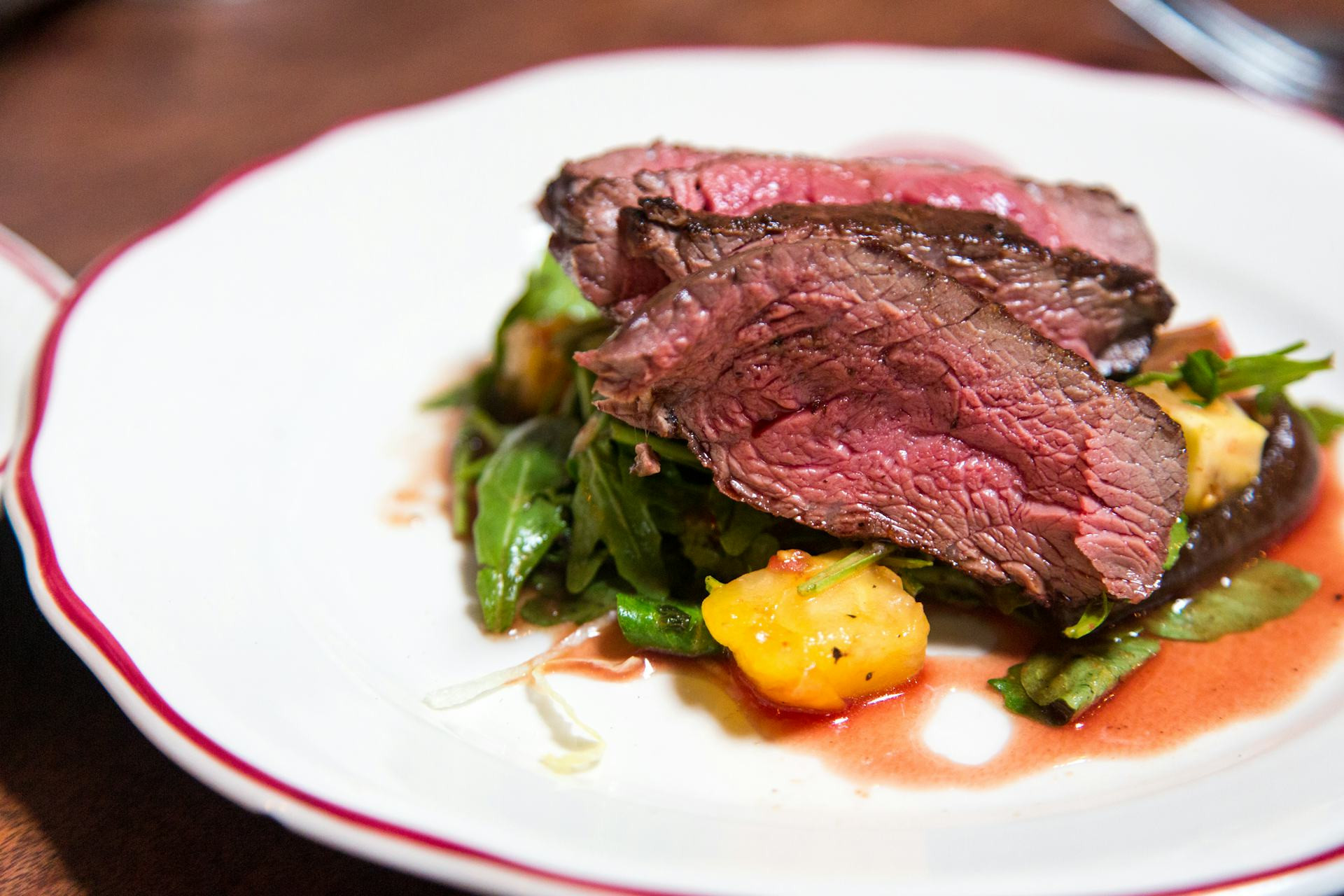
- A palm-sized portion of meat, poultry, or fish is a good amount for one meal.
- A fist represents roughly one serving of cooked grains or starchy vegetables.
- A thumb is a good measure for fats like peanut butter, oil, or cheese.
This method makes it easy to serve yourself appropriate portions whether you’re at home, at work, or eating out.
Fullness – Listening to Your Body’s Signals
Eating according to fullness means paying attention to how your body feels before, during, and after a meal. Many of us eat quickly or while distracted, which makes it harder for the brain to register that we’re full. Try slowing down—put your fork down between bites, chew thoroughly, and check in with yourself as you eat.
Aim to stop when you feel comfortably satisfied, not stuffed. It often takes 10–20 minutes for your brain to catch up with your stomach, so give yourself time before deciding whether you need more.
Small Everyday Adjustments
Putting the Dietary Guidelines into practice doesn’t require drastic changes. Small, consistent steps can make a big difference:
- Use smaller plates and bowls—portions look larger and you’ll likely eat less.
- Start meals with vegetables or a salad to fill up on fiber and nutrients.
- Drink water or unsweetened beverages instead of sugary drinks.
- Store leftovers in single-serving containers to avoid overeating.
- Plan meals and snacks so you don’t get overly hungry, which can lead to larger portions.
Læs også:
Adjusting Portions to Your Needs
There’s no one-size-fits-all portion. Age, gender, activity level, and health all play a role. A teenager who plays sports will need more energy than someone with a sedentary job. Listen to your body: if you’re often tired, hungry, or lacking focus, you may need to adjust your portions or food balance.
For more detailed guidance, you can explore the USDA’s Dietary Guidelines for Americans and MyPlate.gov, which offer examples of portion sizes and food group recommendations for different age groups and lifestyles.
A Balanced Approach to Eating
Healthy eating isn’t about strict rules or guilt—it’s about balance and awareness. When you use portion sizes and fullness cues as your guide, it becomes easier to enjoy a variety of foods, feel satisfied, and maintain a healthy relationship with food.
The key is to build habits that fit your life. Small, realistic changes lead to lasting results—for your health, your energy, and your enjoyment of food.
Læs også: