Vegetarian Protein: How to Meet Your Body’s Needs

Vegetarian Protein: How to Meet Your Body’s Needs
More Americans are choosing to eat less meat—whether for health, environmental, or ethical reasons. But one question often comes up: Can you really get enough protein without eating meat? The answer is yes. With a little knowledge and planning, it’s easy to meet your body’s protein needs on a vegetarian diet. Here’s how to do it in a healthy, balanced way.
Why Protein Matters
Protein is one of the body’s essential building blocks. It helps build and repair muscles, skin, hair, enzymes, and hormones. Without enough protein, you may feel fatigued, lose muscle mass, or recover more slowly after exercise.
The general recommendation for adults is about 0.8–1.2 grams of protein per kilogram of body weight per day, depending on activity level. For someone who weighs 150 pounds, that’s roughly 55–80 grams of protein daily. It might sound like a lot, but it’s quite achievable—even without meat.
Top Vegetarian Sources of Protein
Many plant-based foods are rich in protein. Some contain more than others, and by combining different sources, you can get all the essential amino acids your body needs.
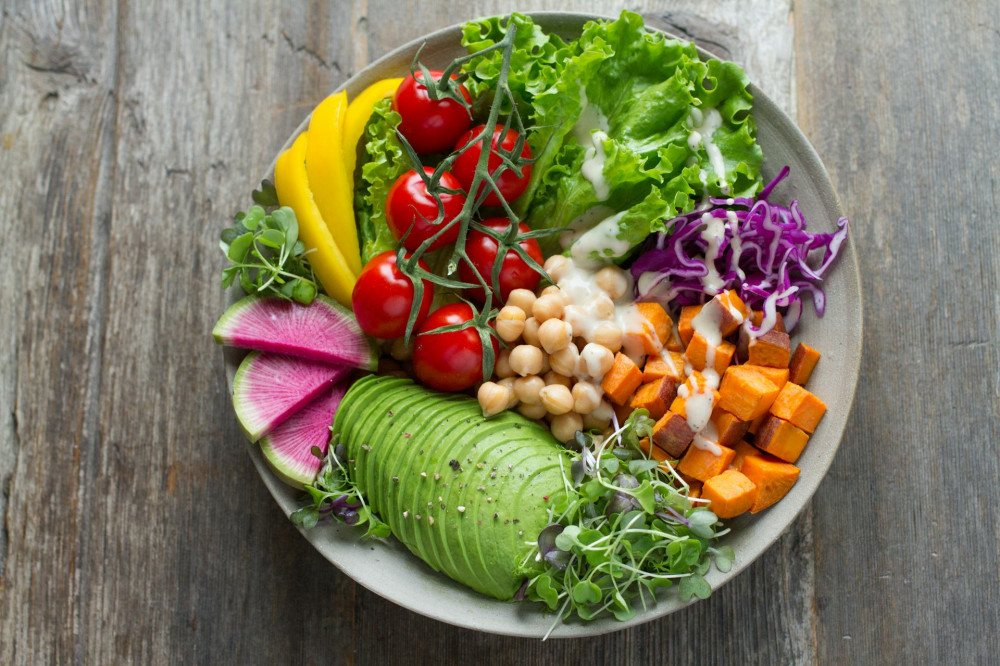
- Legumes – Lentils, chickpeas, black beans, and peas are excellent sources of protein and fiber. One cup of cooked lentils provides about 18 grams of protein.
- Tofu and tempeh – Made from soybeans, these are protein powerhouses. Tofu offers around 10 grams per 3.5 ounces, while tempeh provides closer to 18 grams.
- Whole grains – Quinoa, oats, brown rice, and whole-grain bread contribute both protein and fiber. Quinoa is especially valuable because it’s a complete protein, meaning it contains all nine essential amino acids.
- Nuts and seeds – Almonds, walnuts, chia seeds, hemp seeds, and pumpkin seeds make great snacks or toppings. They provide protein, healthy fats, and important minerals.
- Dairy and eggs – If you’re a lacto-ovo vegetarian, eggs, Greek yogurt, and cheese are excellent protein sources. One large egg contains about 6 grams of protein.
Combining foods like rice and beans or peanut butter on whole-grain toast ensures you get a complete amino acid profile—everything your body needs to build and repair tissues.
Planning Your Meals
Getting enough protein throughout the day is all about balance and variety. Try to include a source of protein in every meal and snack.
- Breakfast: Oatmeal with chia seeds, almond butter, and Greek yogurt.
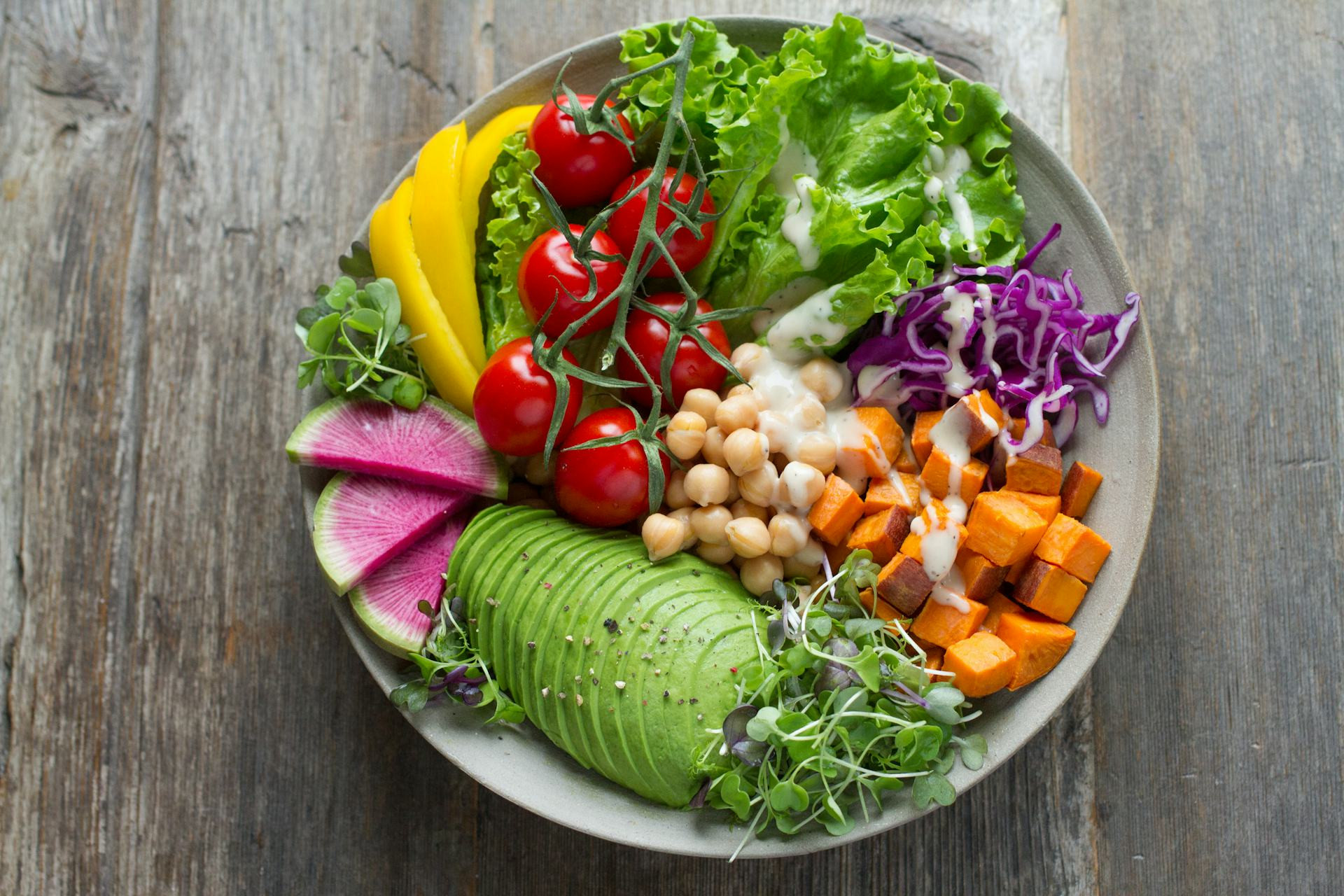
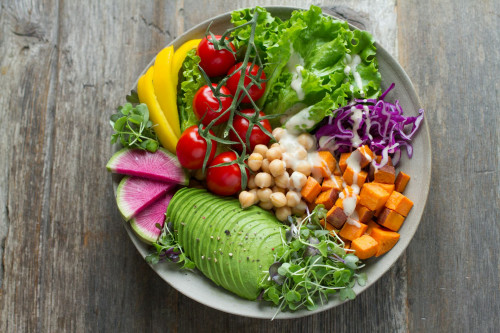
- Lunch: Quinoa salad with chickpeas, roasted vegetables, and feta cheese.
- Dinner: Lentil stew with brown rice, or tofu stir-fry with vegetables.
- Snacks: A handful of nuts, a hard-boiled egg, or a smoothie with pea or rice protein powder.
The key is variety—eating a wide range of plant-based foods ensures you get all the nutrients and amino acids your body needs.
Læs også:
Protein and Exercise
If you’re physically active or trying to build muscle, you may need a bit more protein. Many vegetarian athletes use plant-based protein powders made from peas, rice, or hemp to help meet their needs, especially after workouts. However, supplements aren’t necessary for most people. A well-planned vegetarian diet can easily provide enough protein through whole foods.
Common Myths About Vegetarian Protein
One common myth is that it’s hard to get enough protein without meat. Research shows that most vegetarians meet or exceed their protein requirements as long as their diet is varied and calorie intake is sufficient.
Another misconception is that plant proteins are “inferior” to animal proteins. While some plant sources are lower in certain amino acids, eating a mix of different foods throughout the day easily balances this out. Your body stores amino acids and uses them as needed, so you don’t have to get all of them in one meal.
A Healthy and Sustainable Choice
Eating vegetarian isn’t just about cutting out meat—it’s about choosing foods that nourish your body and support your well-being. When you focus on protein-rich plants, you also get fiber, vitamins, and healthy fats that promote long-term health.
With a little planning and creativity, meeting your protein needs on a vegetarian diet is simple, satisfying, and sustainable—for you and for the planet.
Læs også: